
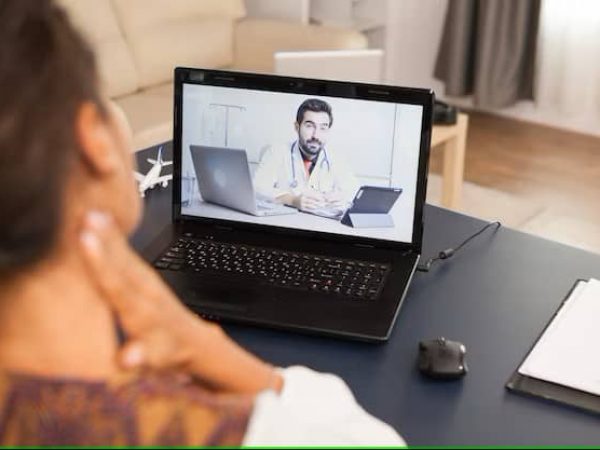
In an era where travel is part of modern life, accessible healthcare solutions must transcend geographical boundaries.
Telehealth bridges the gap between travelers and healthcare professionals, revolutionizing how people manage their health on the move.
A key benefit of telehealth for travelers is its ability to maintain continuity of preventive and ongoing care.
Those managing chronic conditions or ongoing treatments require uninterrupted access to healthcare, regardless of location.
Telehealth supports regular check-ups, consultations, and follow-ups with providers, no matter where the traveler is.
Whether on business abroad or exploring remote areas, telehealth removes disruptions caused by distance in traditional healthcare systems.
This continuity promotes better health outcomes and peace of mind, knowing care is maintained even far from home.
Telehealth breaks time and space limits, giving travelers unmatched accessibility and convenience.
No more searching for clinics or hospitals in unfamiliar places.
With telehealth, travelers can reach care using smartphones or laptops anywhere.
This is vital in remote or underserved regions with few medical facilities.
Telehealth also removes rigid appointment schedules, letting travelers seek care at their convenience.
From sudden illness to medication refills or mental health support, telehealth fits into travel plans without disruption.
Healthcare abroad can be intimidating, especially with language or cultural barriers.
Telehealth connects travelers with providers who speak their language and understand cultural contexts.
Through video or messaging, travelers can clearly explain symptoms for accurate diagnosis and treatment.
This fosters trust and reduces anxiety when seeking care abroad.
By offering a familiar interface, telehealth ensures quality care despite language or cultural differences.
Emergencies can happen anytime, especially in unfamiliar locations.
Telehealth provides immediate medical guidance during urgent situations.
If illness or injury strikes, travelers can connect with providers instantly.
Professionals can advise on first-aid, medication use, or next steps for in-person care.
This rapid access can save lives, especially in remote areas with limited emergency services.
Knowing care is only a click away gives travelers confidence and security.
Foreign healthcare can be expensive, often requiring high out-of-pocket costs or insurance.
Telehealth offers a more affordable alternative while traveling.
By using technology and remote communication, it reduces costs for both travelers and providers.
It eliminates many unnecessary hospital visits, saving time and resources.
This efficiency benefits everyone involved in the care process.
Prevention is always better than cure.
Telehealth supports preventive care and health education for travelers.
Virtual consultations allow screenings, personalized assessments, and advice on preventive measures.
Travelers gain knowledge to maintain health and make better choices on the road.
Telehealth platforms also share valuable health information, resources, and best practices globally.
By promoting self-care, telehealth helps reduce preventable illnesses during travel.
In today’s connected world, telehealth is a lifeline for travelers navigating healthcare challenges.
It ensures continuity, accessibility, and emergency readiness while breaking language barriers and reducing costs.
Telehealth transforms healthcare on the move, empowering travelers to explore with confidence and peace of mind.
Contact us today to learn how BlueStar’s monitoring solutions can support care at home or away.